Simple Steps That Help Your Fence Last Longer
To protect your wood fencing from weather damage, keep water off the boards, seal the wood, fix small problems early, and clean it on a regular schedule. Sun, rain, wind, and snow can all wear down a fence over time. In Chattanooga, TN, changing weather can make that damage happen faster. A simple care plan can help your fence stay strong, straight, and better looking for years.
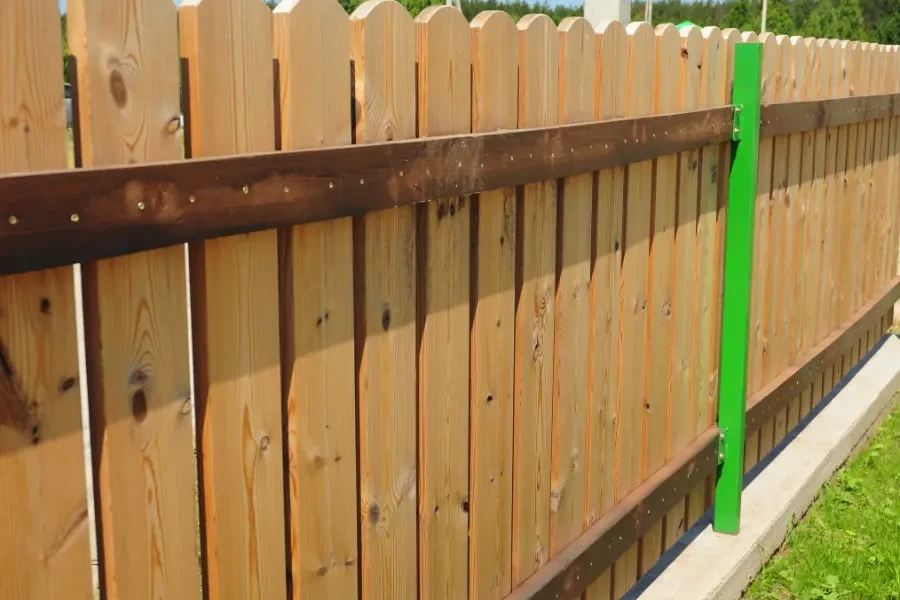
Why Prevention Matters
Weather damage often starts small. A little crack, a loose nail, or a patch of peeling stain may not seem like a big problem at first. But once water gets into the wood, the trouble can spread. Boards may swell, warp, rot, or split. Posts can loosen in the ground. When that happens, wood fencing may lose both its strength and its curb appeal.
Prevention costs less time and effort than major repairs. A fence that gets routine care is more likely to stand up better through wet seasons, hot summers, and cold snaps. The goal is simple: keep moisture out, slow sun damage, and catch weak spots before they get worse.
Early Warning Signs
You do not need to wait until your fence looks badly damaged. Small warning signs can tell you when it is time to act. If you spot these early, you may be able to avoid bigger repairs later.
- Gray or faded wood color
- Peeling paint or stain
- Soft spots or signs of rot
- Cracks, splits, or warped boards
- Rust on nails, screws, or hinges
- Leaning posts or loose panels
- Mold, mildew, or green algae growth
Even if your fence still feels solid, these signs mean weather is starting to win. Acting early helps protect the structure and extends its life.
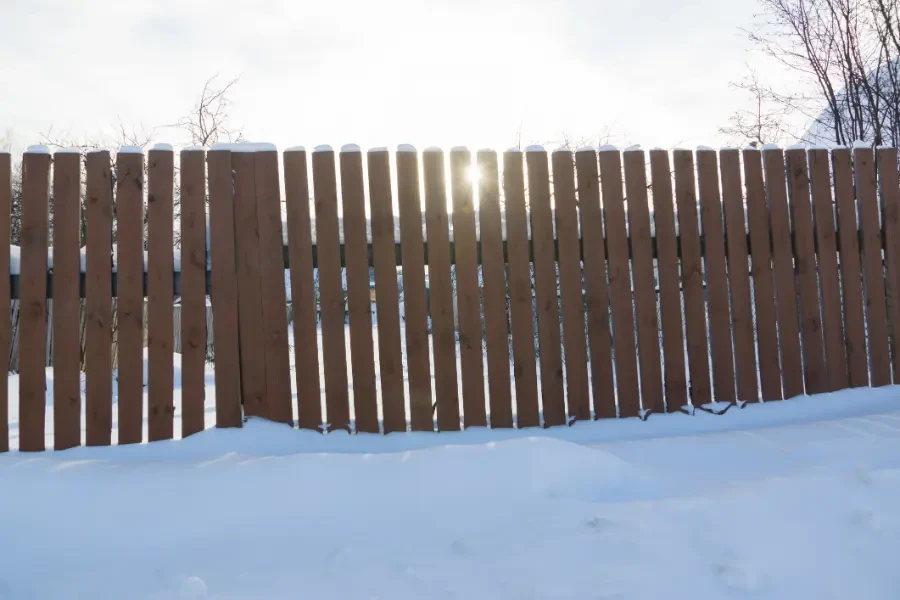
Seasonal or Routine Checklist
A steady routine works better than waiting for visible damage. A basic inspection and cleaning plan can go a long way. This helps any wood fencing system, whether it is new or several years old. It also applies to any service category keyword tied to outdoor fence care and upkeep.
- Walk the full fence line every few months.
- Check posts, rails, and pickets for movement.
- Look for stains, mildew, rot, and insect damage.
- Clean off dirt, leaves, and plant growth.
- Wash the fence with mild soap and water.
- Let the wood dry fully before sealing or staining.
- Apply a water-repellent sealant or exterior stain as needed.
- Replace damaged fasteners with rust-resistant hardware.
- Trim bushes, vines, and grass away from the fence.
- Keep sprinklers from spraying the same area every day.
Spring and fall are good times for this checklist. After strong storms, it is smart to inspect the fence again. Heavy wind and standing water can cause damage fast.
Best Practices for Long-Term Results
The best way to protect wood fencing is to manage both moisture and sunlight. Water is one of the biggest causes of wood damage. It can soak into unsealed boards, collect near posts, and feed mold or rot. Sun can dry out the surface and make boards crack over time. Good long-term care deals with both.
Start with a quality sealant or stain made for exterior wood. A product with water protection and UV defense is often a smart choice. Clear sealers can help, but semi-transparent or solid stains may give more sun protection. Follow label directions and reapply when the finish begins to wear out.
Good drainage also matters. Soil should not stay piled against the base of the fence. If water pools near the posts, the wood may break down faster. Keep the bottom of the fence clear of wet mulch and heavy plant growth. If your yard has poor drainage, fixing that issue can help the fence last longer.
Airflow is another key part of fence care. When plants press against the boards, moisture gets trapped. That damp space can lead to mildew and rot. Leaving a little breathing room around the fence helps the wood dry after rain.
What Not to Do
Some common habits can shorten the life of wood fencing, even when people mean well. A few simple mistakes can cause damage or make small problems worse.
- Do not ignore cracked or loose boards.
- Do not paint or seal dirty, wet wood.
- Do not let sprinklers hit the fence every day.
- Do not stack soil, mulch, or firewood against it.
- Do not use harsh washing methods that gouge the wood.
- Do not wait too long to reseal aging boards.
Pressure washing can also be a problem if the pressure is too high. It may strip wood fibers and leave the surface rough. If you use a washer, keep the setting low and test a small area first.
When to Schedule Professional Help
Some fence care jobs are simple for a homeowner. Cleaning, light inspections, and basic sealing can often be done without much trouble. But deeper damage may call for trained help. If posts are leaning, boards are rotting through, or large sections feel loose, it may be time for a closer inspection.
Professional help can also make sense when the fence is older, the weather has been severe, or past repairs did not hold up. A pro can spot hidden damage, check post stability, and recommend repairs before the whole fence starts failing. That can save money compared with replacing long sections later.
If your fence has storm damage, wide warping, or heavy rot near the base, getting help sooner is often the safer move. Fast action may keep the problem from spreading to nearby sections.
Get Help Before Small Fence Problems Grow
If your fence in Chattanooga, TN is showing signs of wear, contact us for guidance before the damage spreads. At Fences and Decks by Stan, we can inspect wood fencing, point out trouble spots, and help with the next steps. Call us at (423) 298-6779 to schedule a visit and let our team help protect your fence for the long run.